
The Indian Athlete's Vegetarian Diet Plan: Complete Nutrition Guide
"You cannot build muscle on a vegetarian diet." "Vegetarian athletes are always low.On.Energy." "Meat is essential for sports results." If you have heard these claims.You are.Not alone.These are some of the most common. Myths in Indian sports circles.The truth is.That a well-planned vegetarian diet for athletes in India can give all the protein, energy. And nutrients needed for peak results.
India has a long tradition of vegetarianism.And many of its top. Athletes have thrived on plant-based diets.This guide gives you a practical. Budget-friendly nutrition plan built around Indian vegetarian foods that are easy to find, affordable. And packed with the nutrients young athletes need.
Why Indian Athletes Can Thrive on a Vegetarian Diet
The idea that athletes must eat meat to perform well is. Outdated.Research from the Gatorade Sports Science Institute confirms that athletes at. All levels - from youth to elite - can meet their energy. And nutrient needs on a vegetarian diet that includes a variety of foods.
Indian cuisine is naturally rich in high-protein vegetarian options.Dal. Paneer, chole, rajma, soya chunks.And sprouts are everyday staples in. Most Indian households.The classic practice of combining dal with rice. Or roti with rajma creates complete amino acid profiles without needing any animal protein.
The key is not whether you eat meat. Or not.The key is whether you eat enough protein from varied sources. At the right times. And in the right amounts. This guide shows you exactly how to do that.
Protein Math: How Much Protein Do Young Athletes Actually Need?
The standard recommendation for active athletes is 1.2 to 1.8. Grams of protein per kilogram of body weight per day. Here is what that looks like in practice:
| Age Group | Typical Weight | Daily Protein Need | Example |
|---|---|---|---|
| 8-10 years | 25-35 kg | 30-63g | About 3-4 servings of dal/paneer |
| 11-13 years | 35-50 kg | 42-90g | About 4-5 servings spread across meals |
| 14-17 years | 50-65 kg | 60-117g | 5-6 servings plus milk and snacks |
| 18+ years | 60-80 kg | 72-144g | 6+ servings with strategic timing |
These numbers look large.But spreading protein across 5 to 6 meals.And snacks through the day makes it very achievable.The mistake most young. Athletes make is loading all their protein into one or two meals. Your body absorbs protein better in smaller portions throughout the day.
Top 15 Protein-Rich Indian Vegetarian Foods for Athletes
Not all vegetarian foods are created equal when it comes to. Protein.Here are the 15 best options that are easily available across India. Along with their protein content and approximate cost.
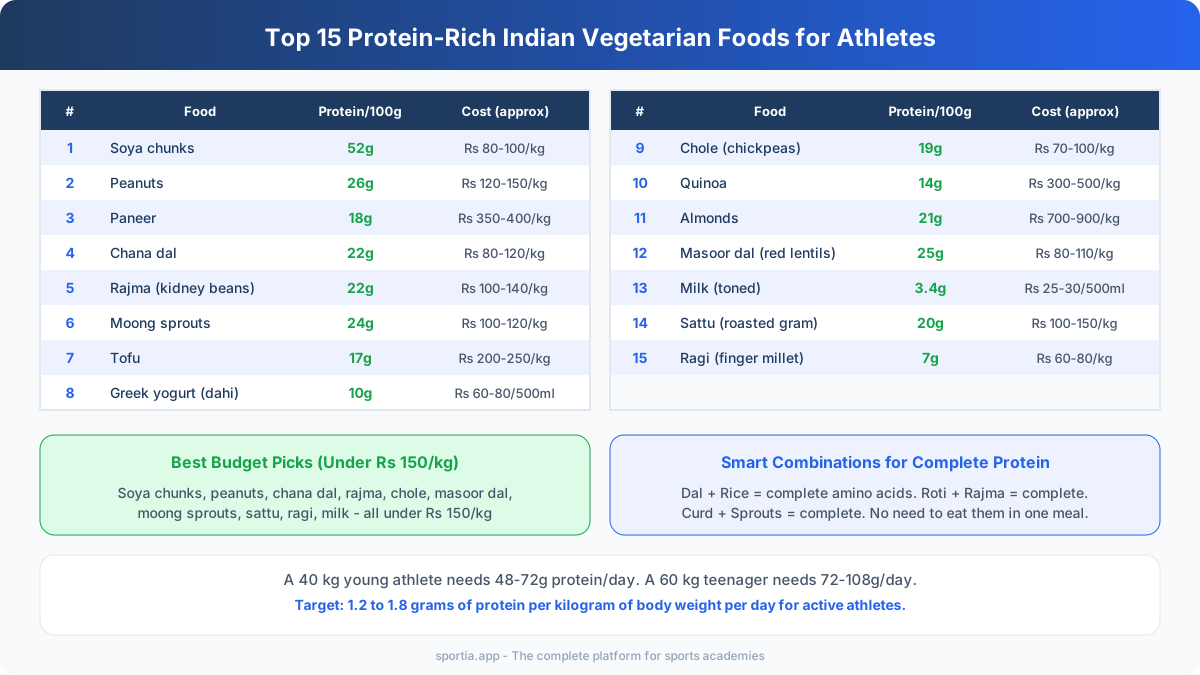
The standout performer is soya chunks.At 52 grams of protein per 100 grams (dry weight).And. A.Cost of just Rs 80-100 per kilogram.Soya chunks offer the best protein-to-price ratio of any vegetarian. Food.A 50-gram serving of soya chunks (dry) gives about 26 grams. Of protein - almost half the daily requirement for a 12-year-old athlete.
Other budget-friendly winners include peanuts (26g protein per 100g), chana dal (22g), rajma (22g). And masoor dal (25g).All of these cost under Rs 150 per kilogram. And are available in every local grocery store.
Smart Combinations for Complete Protein
Person plant foods may not contain all essential amino acids in ideal ratios. But combining two or more sources creates a complete protein profile. The good news is that Indian cooking already does this naturally:
- Dal + Rice: The classic combo. Rice gives methionine, dal gives lysine. Together they form a complete protein.
- Roti + Rajma: Wheat and kidney beans complement each other's amino acid profiles perfectly.
- Curd + Sprouts: Dairy protein plus plant protein covers all essential amino acids.
- Idli + Sambar: Fermented rice batter with lentil-based sambar is a protein powerhouse from South India.
You do not need to eat these combinations in the same. Meal.As long as you consume varied protein sources throughout the day. Your body will get all the amino acids it needs.
Sample Meal Plan: Training Day vs Rest Day
Here is a complete training day meal plan designed for a young Indian. Athlete (14-17 years.55-65 kg) using only vegetarian foods.This plan gives about 110 grams. Of protein at a daily cost of Rs 160 to 215.
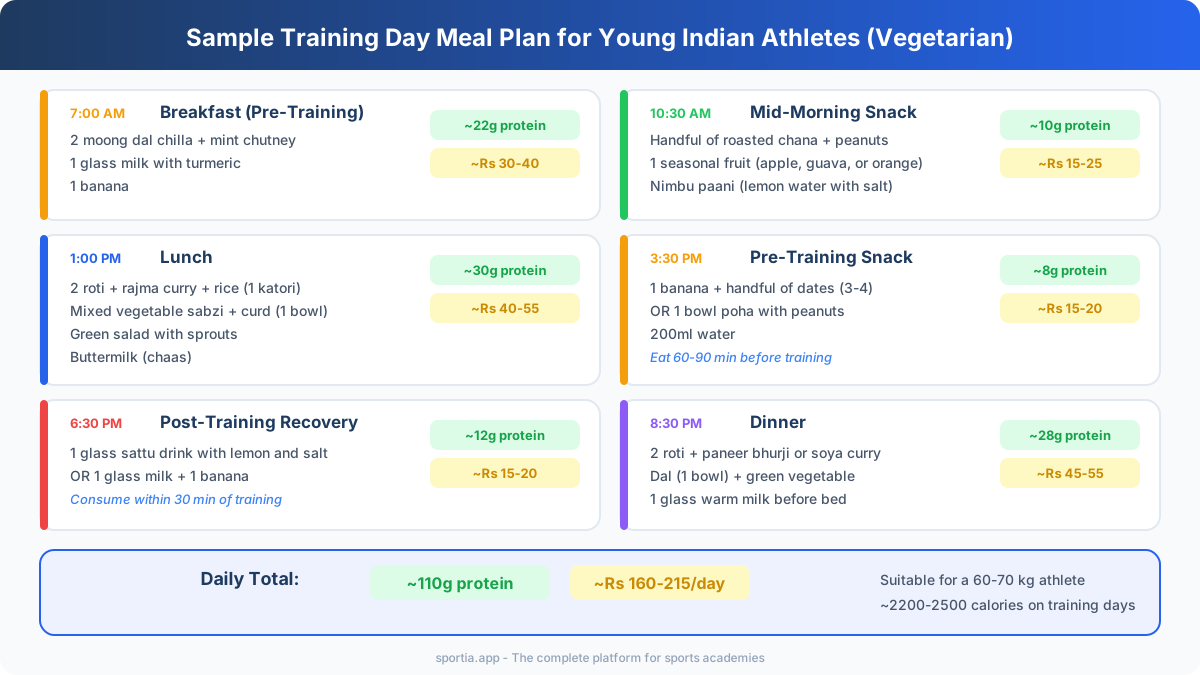
Rest day adjustments:On days without training. Reduce the pre-training snack.And post-training healing meal.Replace them with a single mid-afternoon snack (a bowl of sprout chaat. Or a peanut butter sandwich). Total calories drop by about 300-400, which matches the lower energy expenditure. Keep protein intake the same since muscles recover and rebuild on rest days too.
Pre-Match and Post-Workout Meals Using Indian Foods
Timing matters as much as food choice when it comes to sports nutrition. Here are the rules for eating around training sessions.
Pre-Training (60 to 90 Minutes Before)
Eat foods that are high in carbohydrates and moderate in protein. But low in fat and fiber. Fat and fiber slow digestion and can cause stomach discomfort during intense exercise. Good options include:
- Poha with peanuts and a squeeze of lemon
- 2 idlis with a small bowl of sambar
- Upma with vegetables
- 1 banana with 2-3 dates
- A glass of milk with a roti and honey
Post-Training (Within 30 Minutes)
After training, the body needs protein for muscle repair. And carbohydrates to refill energy stores. The 30-minute window after exercise is when muscles absorb nutrients most efficiently. Good healing options include:
- Sattu drink with lemon. And a pinch of salt (20g protein in 2 tablespoons of sattu).
- A glass of milk with a banana (or banana milkshake)
- Chana chaat with onion and lemon
- A peanut butter sandwich on whole wheat bread
- Curd with roasted chana
Hydration Strategies for Training in Indian Heat
Dehydration is one of the biggest results killers for athletes training. In India.Mainly from March to May when temperatures often cross 35-40. Degrees Celsius.A young athlete can lose 500ml to 1 litre of. Sweat per hour during intense outdoor training in the heat.
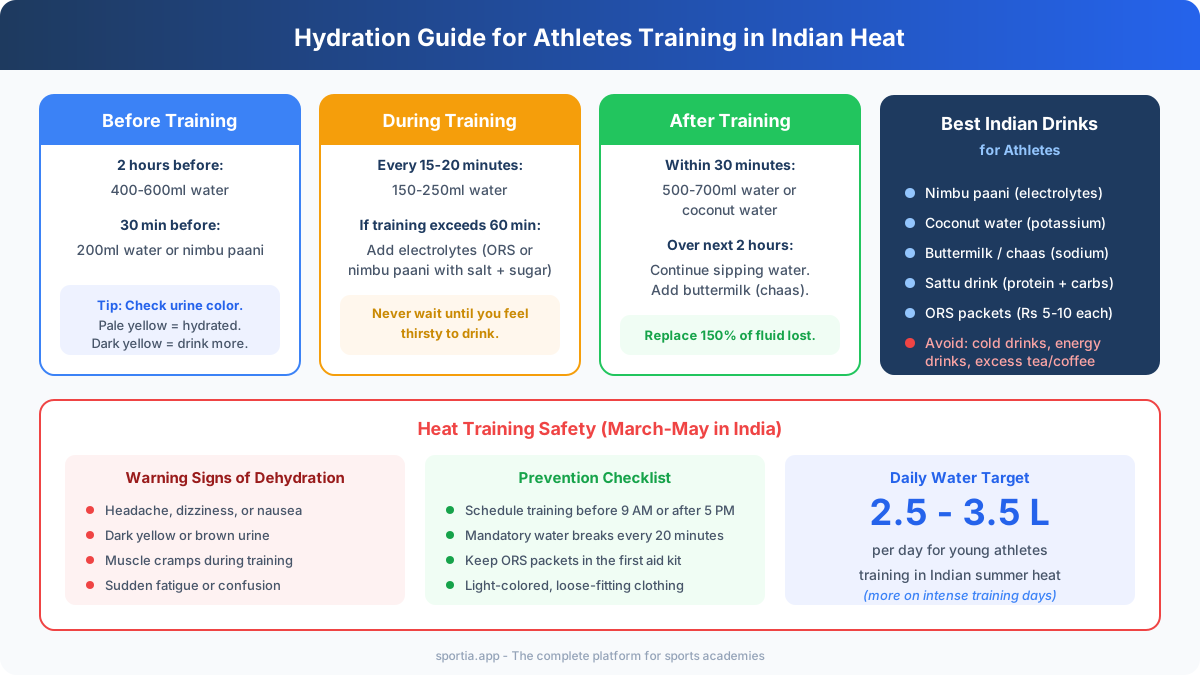
The basic rule is simple: do not wait until. You feel thirsty to drink.By the time thirst kicks in. You are already 1-2% dehydrated. This is enough to reduce results noticeably.
India has excellent natural hydration options that are cheaper. And more effective than branded sports drinks:.
- Nimbu paani (lemon water):Add a pinch of salt. And a teaspoon of sugar to a glass of lemon water. This creates a homemade electrolyte drink that replaces sodium lost through sweat. Cost: under Rs 5 per glass.
- Coconut water: Naturally rich in potassium and electrolytes. Research shows it performs similarly to commercial sports drinks for getting fluids back. Available for Rs 20-40 across most of India.
- Buttermilk (chaas): Contains sodium, potassium, and probiotics. Excellent for post-training healing during hot months.
- Sattu drink: A Bihar specialty made from roasted gram flour mixed with water, salt, and lemon. Gives both hydration and protein - a two-in-one healing drink.
- ORS packets: The most cost-effective electrolyte solution at Rs 5-10 per packet. Keep these in the academy first aid kit for emergencies.
Supplements: What Young Athletes Need vs What They Can Skip
Most young athletes on a varied vegetarian diet do not need supplements. However, there are a few nutrients that vegetarians should pay attention to:
Vitamin B12:This is the one nutrient that vegetarian athletes genuinely need to. Supplement.B12 is found primarily in animal products.And shortage causes fatigue, weakness. And poor healing.A daily B12 supplement (or B12-fortified foods like fortified milk. Or cereals) is suggested for all vegetarian athletes.
Vitamin D:Despite India's abundant sunshine.Vitamin D shortage is surprisingly common among Indian youth.This is partly due to indoor training. Early morning or evening sessions (when UV is low). And darker skin tones. Get Vitamin D levels tested annually, and supplement if levels are below 30 ng/ml.
Iron: Plant-based iron (non-heme iron) is less well absorbed than animal-based iron. Young female athletes are mainly at risk for iron shortage.Eat iron-rich foods (spinach. Jaggery, dates, beetroot) with Vitamin C sources (lemon, amla, orange) to boost absorption.
What to skip:Protein powders are unnecessary for most young athletes who eat enough dal. Paneer, soya, and dairy. Creatine, pre-workout supplements, and fat burners have no place in youth sports nutrition. Focus on real food first.
Budget-Friendly Meal Planning: Rs 150-200 Per Day
One of the biggest advantages of a vegetarian diet for Indian athletes. Is its affordability.Here is how to keep daily food costs under Rs 200. While hitting protein targets:.
- Buy in bulk: Buy dal, rice, soya chunks, and peanuts in 5-10 kg quantities. This reduces per-kg costs by 15-20%.
- Use soya chunks as your protein anchor:At Rs 80-100 per kg with 52g protein per 100g. No other vegetarian source comes close on cost-per-gram of protein.
- Sprout your own moong: Buy whole moong for Rs 100-120 per kg and sprout it at home. The sprouting process doubles the volume and increases nutrient absorption.
- Make sattu at home: Roast chana dal and grind it. Homemade sattu costs about half the price of store-bought versions.
- Seasonal fruits over imported ones:Bananas, guavas, papayas, and oranges are cheaper and more nutritious than imported apples or berries.
- Use milk strategically: Toned milk at Rs 25-30 per 500ml gives 17g of protein. Two glasses a day add 34g of protein for under Rs 60.
For academies that give meals. Or nutrition guidance to their athletes.Tracking dietary recommendations alongside training. Plans becomes much easier with tools that centralize athlete data. Platforms like Sportia let coaches log wellness notes, track athlete development metrics. And share nutrition guidelines through the.coaching library - keeping everything in one place instead of scattered across WhatsApp groups.
Common Nutrition Mistakes Indian Coaches and Parents Make
Even well-meaning coaches and parents fall into these traps when it comes to feeding young athletes:
- Skipping breakfast before morning training:Many young athletes train on an empty stomach.Because morning sessions start at 6 AM.Even a glass of milk.And a. Banana 30 minutes before training makes a big difference in energy and focus.
- Overloading on carbs, ignoring protein:A plate of rice. And sabzi may fill the stomach but falls short on protein. Add dal, paneer, curd, or soya to every major meal.
- Relying on packaged "health" foods:Biscuits, energy bars, and packaged juices marketed as healthy often. Contain more sugar than nutrition.Real food - a handful of peanuts. And a banana - is always the better option.
- Not drinking enough water: Many coaches do not schedule water breaks during practice. In Indian heat, mandatory hydration breaks every 15-20 minutes should be a non-negotiable rule.
- Forcing supplements on young athletes:Protein powders and mass gainers are not needed for athletes under 16 who eat a balanced diet. Save the money and buy better food instead.
Often Asked Questions
Can vegetarian athletes build muscle as well as non-vegetarian athletes?
Yes.Research confirms that vegetarian athletes can build muscle well when they consume enough.Total protein (1.2-1.8g.Per kg body weight) from varied. Sources throughout the day.The key is eating enough calories.And spreading protein intake across multiple meals rather than relying on one. Or two large meals.
What is the cheapest high-protein vegetarian food in India?
Soya chunks offer the best value at about Rs 80-100 per.Kilogram with 52. Grams of protein per 100 grams (dry weight).Other affordable options include peanuts (26g protein. Rs 120-150/kg), masoor dal (25g protein, Rs 80-110/kg). And chana dal (22g protein, Rs 80-120/kg).
How much water should a young athlete drink during summer training in India?
Young athletes training in Indian summer heat should drink 2.5 to 3.5 litres of.Water. Per day.With 150-250ml every 15-20 minutes during training sessions.For sessions longer than 60 minutes. Add electrolytes through nimbu paani, ORS. Or coconut water to replace sodium and potassium lost through sweat.
Do vegetarian athletes need protein powder supplements?
Most young vegetarian athletes who eat a varied diet with enough dal. Paneer, soya, dairy.And legumes do not need protein powder.Supplements become useful only. When it is difficult to meet protein targets through food alone. Such as during intense competition periods. Or for athletes with very high needs above 1.5g per kg body weight.
What should a young athlete eat before morning training at 6 AM?
A light, easily digestible snack 30 minutes before training works best.Good options include. A glass of milk with a banana, 2-3 dates with a handful of nuts. Or a small bowl of poha. Avoid heavy, oily, or high-fiber foods that take longer to digest.
Is a vegetarian diet suitable for all sports or only certain ones?
A vegetarian diet works well for all sports. From cricket and football to swimming, martial arts. And athletics.The calorie and protein needs vary by sport intensity and training volume. But these can be met through vegetarian foods across all disciplines. Many Olympic and pro athletes compete at the highest levels on plant-based diets.