

10 Coaching Mistakes That Drive Athletes Away From Your Academy
Your academy is losing athletes. Not because of your fees or your location. Because of coaching mistakes that push them out the door. Research shows that 70% of kids quit sports by age 13. The top reason? It stopped being fun. And the coach has the biggest impact on whether training feels like joy or dread.
The good news is that most coaching mistakes are easy to fix once you spot them. Here are 10 common errors that drive athletes away from sports academies, and what to do instead.
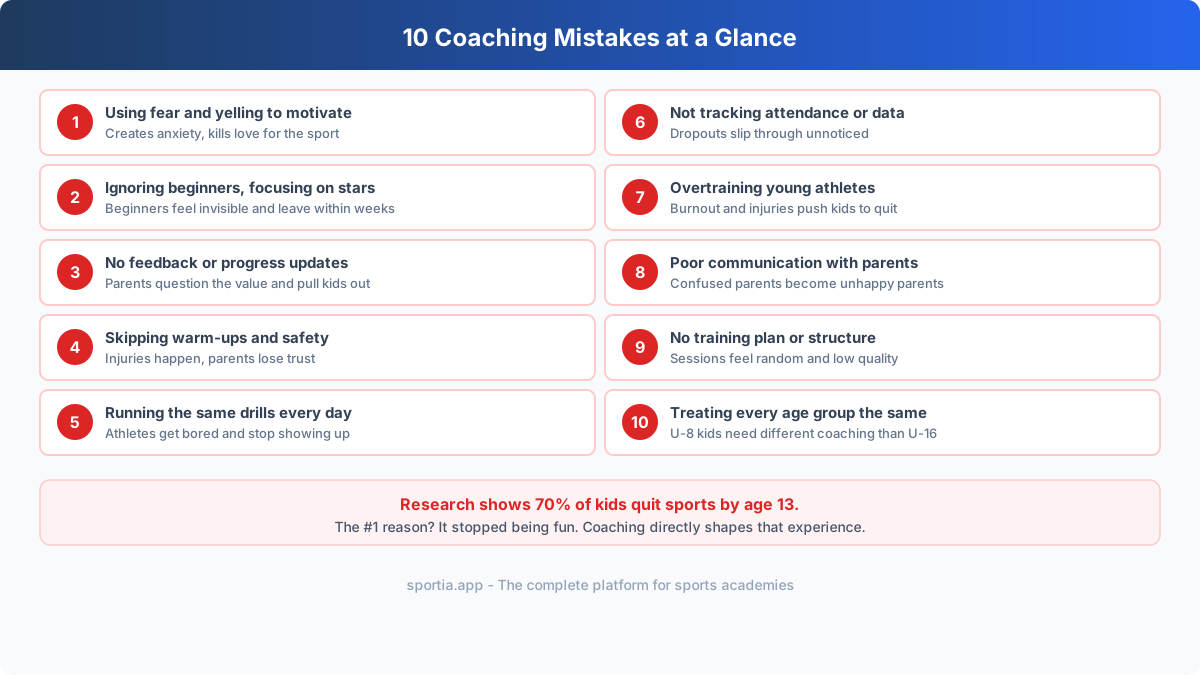
Mistake 1: Using Fear and Yelling to Motivate
Some coaches believe that shouting builds toughness. It does not. Studies show that fear-based coaching creates anxiety, kills self-belief, and makes athletes dread practice. Kids who get yelled at perform worse, not better. They start hiding mistakes instead of learning from them.
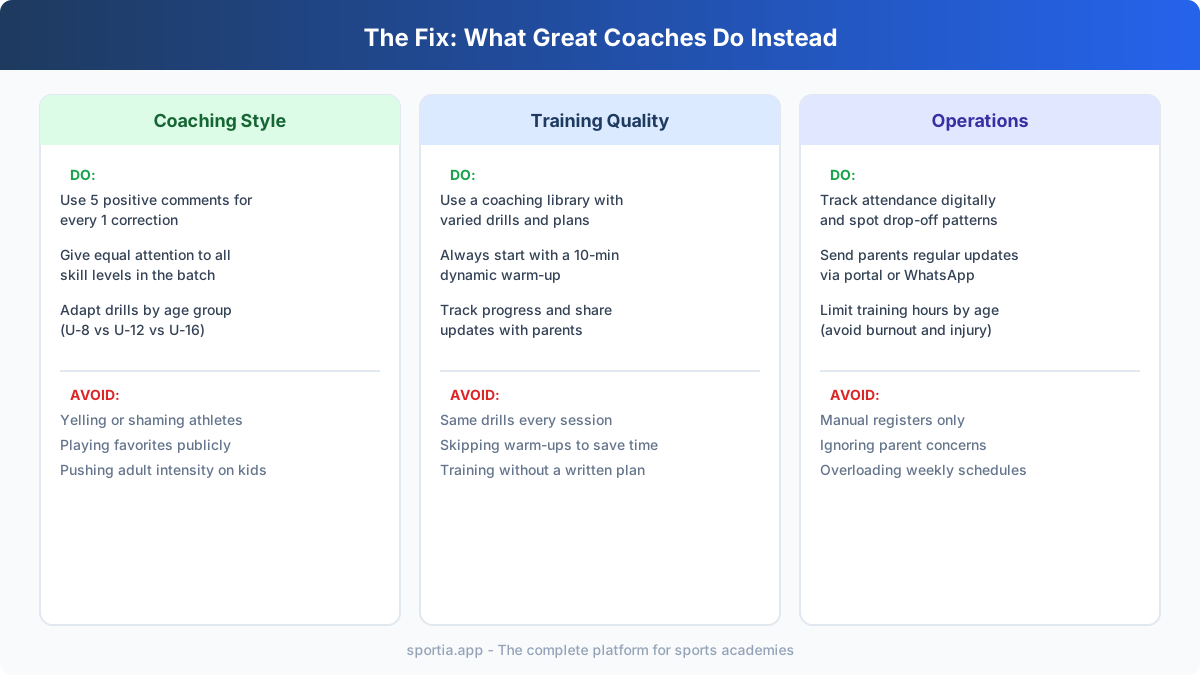
The fix: Use the 5-to-1 rule. Give five positive comments for every one correction. Point out what the athlete did right before saying what to change. "Great footwork on that last drill. Now try keeping your head up as you run." This builds trust and keeps athletes open to learning.
Mistake 2: Ignoring Beginners and Focusing Only on Stars
It is natural to spend more time with talented athletes. But when beginners feel invisible, they leave within weeks. They joined your academy to learn. If they stand in line waiting while the coach works one-on-one with the best player, they feel ignored.
The fix: Split drills by skill level within the same batch. Give your assistant coach the advanced group while you work with new athletes. Or rotate your attention each session. Every athlete should feel seen at least once per practice.
Mistake 3: No Feedback or Progress Updates
Parents pay your fees. They want to know their child is growing. If they see no progress after three months, they question the value. Without feedback, they assume nothing is happening.
The fix: Share simple progress notes with parents every month. Even a short update like "Riya's backhand has improved, and she is now doing well in match play drills" goes a long way. Tools like Sportia let coaches track athlete progress with notes, goals, and personal bests that parents can see in their portal.
Mistake 4: Skipping Warm-ups and Injury Prevention
When time is tight, warm-ups are the first thing coaches cut. This is risky. Cold muscles tear. Joints twist. A single injury can end an athlete's season and destroy a parent's trust in your academy. Read our guide on common sports injuries in children for the full picture.
The fix: Build a 10-minute dynamic warm-up into every session. Make it non-negotiable. Include jogging, high knees, arm circles, and sport-specific movements. It protects your athletes and shows parents you take safety seriously.
Mistake 5: Running the Same Drills Every Session
Boredom kills retention. If every practice looks the same, athletes lose interest. Kids under 12 have short attention spans. They need variety to stay engaged. Adults and teens also notice when sessions feel stale.
The fix: Build a drill library with at least 20-30 drills for your sport. Rotate them across the week. Add fun games and small-sided matches to break up skill work. A coaching library tool helps you plan varied sessions and makes sure new coaches can deliver the same quality.
Mistake 6: Not Tracking Attendance or Athlete Data
An athlete goes from four sessions a week to two. Then one. Then zero. If you rely on memory or a paper register, you might not notice until it is too late. By the time you call, the parent has already enrolled the child elsewhere.
The fix: Use digital attendance tracking that flags drop-offs early. When you see a pattern, reach out the same week. A quick message like "We missed Arjun the last two sessions, is everything alright?" can save a dropout. Academies that track attendance digitally retain 20-30% more athletes.
Mistake 7: Overtraining Young Athletes
More training does not always mean better results. Young bodies need rest to grow and recover. Coaches who push six-day-a-week schedules on kids under 14 risk burnout, overuse injuries, and mental fatigue. The athlete does not just quit your academy. They quit the sport entirely.
The fix: Follow age-based training limits. A rough guide:
| Age Group | Sessions Per Week | Session Length |
|---|---|---|
| Under 8 | 2-3 | 45-60 minutes |
| Under 12 | 3-4 | 60-75 minutes |
| Under 16 | 4-5 | 75-90 minutes |
| 16 and above | 5-6 | 90-120 minutes |
Always include at least one full rest day per week. Two rest days for kids under 12.
Mistake 8: Poor Communication with Parents
Parents are not just paying customers. They are your academy's biggest word-of-mouth channel. When they do not know the schedule, miss fee due dates, or cannot reach you, frustration builds. Confused parents become unhappy parents. And unhappy parents leave - taking their child and their referrals with them.
The fix: Set up a clear system for parent updates. Share schedules, fee status, and attendance records through a parent portal or app. Send auto alerts for check-ins and fee reminders. Read our full guide on moving beyond WhatsApp groups for parent communication tips.
Mistake 9: No Clear Training Plan or Structure
Coaches who "wing it" every session deliver uneven quality. One day the session is great. The next day it feels aimless. Athletes (and parents) notice. It signals a lack of intent and hurts your academy's reputation.
The fix: Write a training plan for each batch. Plan the week ahead. Each session should have a warm-up, a main skill focus, a game or match segment, and a cool-down. Use a coaching library to store your drills and plans so every coach on your team follows the same standard. Sportia's coaching library lets you save drills, build plans, and assign them to batches.
Mistake 10: Treating Every Age Group the Same Way
A drill that works for a 15-year-old does not work for a 7-year-old. Young children need more play, shorter drills, and lots of praise. Teens need structure, challenge, and trust. Coaching a mixed-age batch with one approach frustrates everyone.
The fix: Adjust your coaching for each age group:
- Under 8: Focus on fun, basic movement, and games. Keep drills under 5 minutes. Use lots of praise.
- Under 12: Introduce sport-specific skills. Add small-sided games. Give clear, simple feedback.
- Under 16: Build tactical awareness. Let athletes make decisions. Give them ownership of their growth.
- 16+: Focus on match readiness, mental toughness, and goal setting. Treat them as young adults.
How to Spot These Mistakes in Your Academy
Most coaches do not realize they are making these errors. Here are three ways to check:
- Ask parents: Run a short survey each quarter. Ask what is working and what can improve. Act on the top concerns.
- Watch attendance trends: If athletes drop from 4 sessions to 2, something is wrong. Digital attendance tools make this pattern easy to spot.
- Sit in on sessions: If you are the academy owner, watch your coaches train. Are they engaging all athletes? Are warm-ups happening? Is there a plan?
Fixing these mistakes does not cost money. It costs attention. And the payoff is huge: happier athletes, longer retention, stronger referrals, and a reputation that brings new families to your door.
Frequently Asked Questions
Why do athletes quit sports academies?
The top reasons are lack of fun, poor coaching, no visible progress, and burnout. Studies show 70% of kids quit sports by age 13, mostly because the experience stopped being enjoyable.
How can coaches improve athlete retention?
Track attendance to spot early drop-offs. Share progress updates with parents. Use varied drills to keep sessions fresh. Follow age-based training limits to prevent burnout. And communicate clearly with parents about schedules and fees.
What is the 5-to-1 rule in coaching?
The 5-to-1 rule means giving five positive comments for every one piece of corrective feedback. This ratio builds confidence and keeps athletes open to learning without creating fear or anxiety.
How many hours should young athletes train per week?
Kids under 8 should train 2-3 sessions of 45-60 minutes. Under 12 can do 3-4 sessions of 60-75 minutes. Under 16 can handle 4-5 sessions of 75-90 minutes. Always include at least one full rest day per week.
How do I know if my coaching style is driving athletes away?
Watch your attendance trends. If athletes are dropping sessions or leaving within 3 months, coaching quality may be a factor. Ask parents for honest feedback through a short survey and sit in on sessions to observe how coaches interact with athletes.
What tools help coaches avoid these mistakes?
Digital attendance tracking spots dropouts early. A coaching library keeps sessions varied and consistent. A parent portal shares progress and schedules without relying on WhatsApp. These tools turn good coaching intentions into daily habits.