
From 10 to 100 Athletes: How to Scale Your Sports Academy
Most sports academies in India start the same way. A coach rents a ground, signs up 10-15 athletes, and runs every session alone. The early days feel great. But at 30 to 50 athletes, growth stops.
The coach is too busy to market. Fee collection eats up hours each week. Parents call at all hours. Adding a new batch feels out of reach. This is the growth ceiling. It hits nearly every academy owner.
The good news? This ceiling is not fixed. Many academies across India have broken past it. What sets a 100-athlete academy apart from a 30-athlete one? It is not talent or luck. It is systems, people, and the right tools.
This guide covers the complete journey of growing your sports academy from 10 to 100 athletes. Whether you run a cricket academy, football program, swimming school, or multi-sport center, these strategies will help.
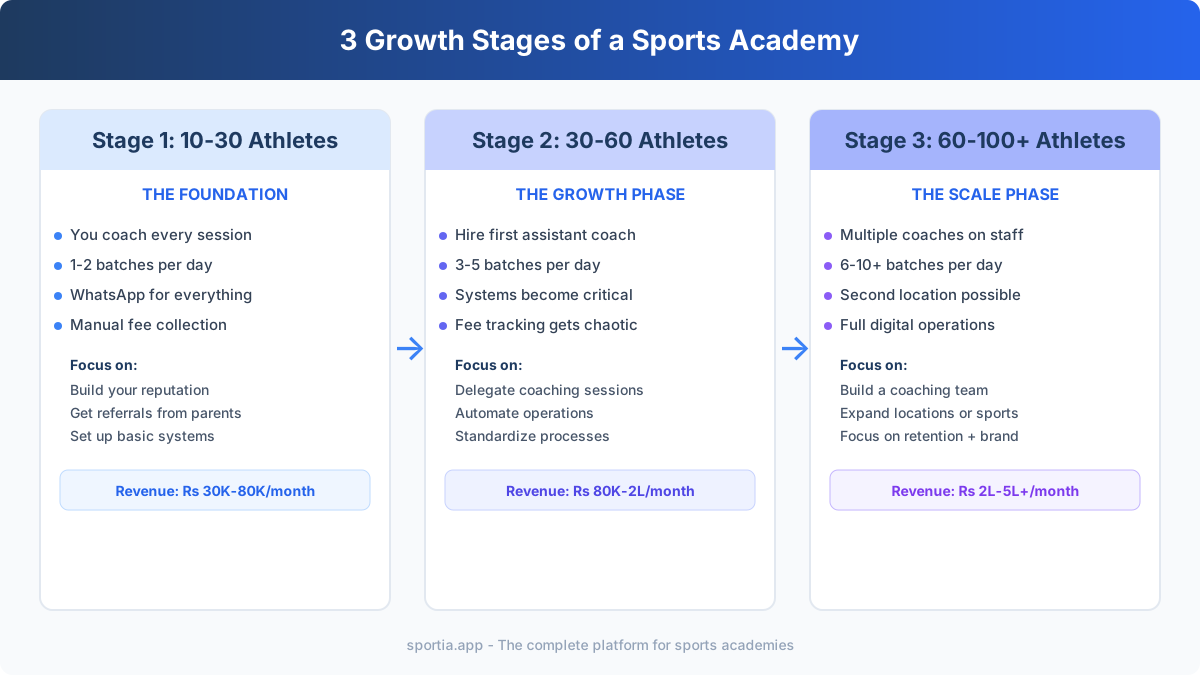
Why Most Academies Get Stuck at 30-50 Athletes
Before you can grow, you must know what holds academies back. The pattern is the same every time.
At 10-20 athletes, things work fine. You know each athlete by name. You track fees in a notebook or on WhatsApp. Parents text you, and you reply fast. You do not need systems. You are the system.
At 30-40 athletes, cracks appear. You run 3-4 batches a day. Fee reminders cut into your coaching time. Some parents miss key messages. You want to add a new batch, but there is no time left.
At 50 athletes, you hit a wall. You cannot coach every session, collect every fee, reply to every parent, and market your academy all at once. Something has to give. Most owners drop marketing first. New sign-ups dry up just as old athletes leave.
The core problem is straightforward. You are trying to do everything yourself. Sustainable growth requires a shift from "doing" to "managing."
Step 1: Build Systems Before You Scale
The top mistake academy owners make? Trying to grow without systems. More athletes plus a broken process just means more chaos.
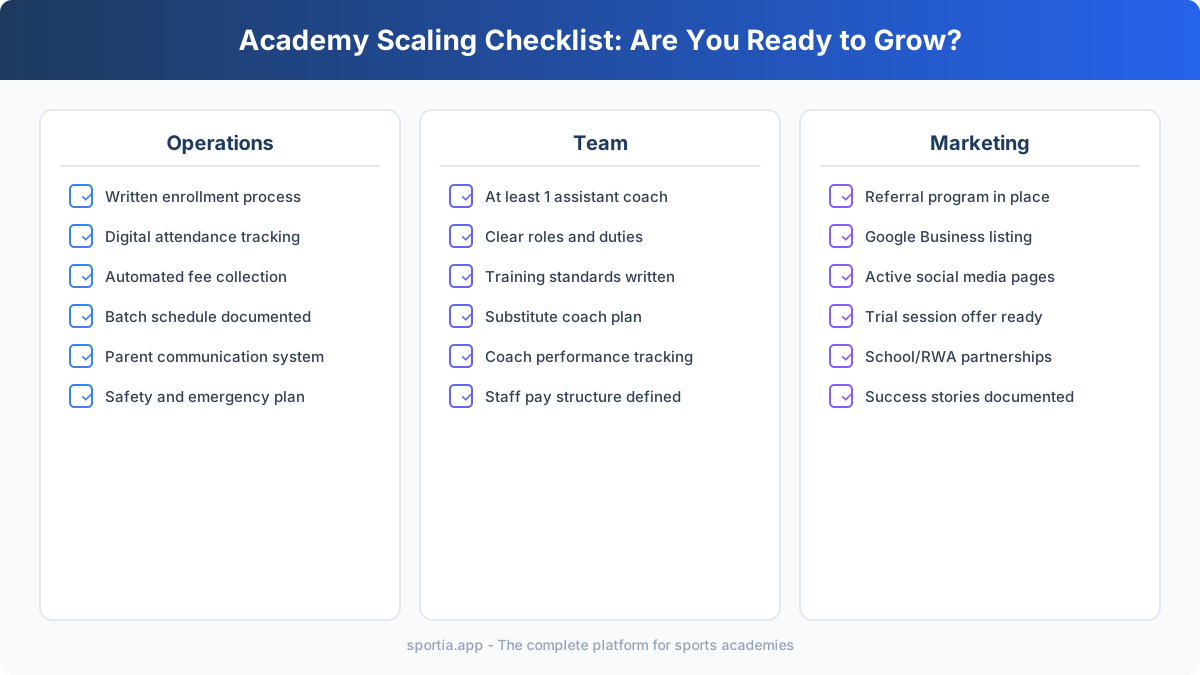
Before you add a single new athlete, set up clear steps for these five areas:
Enrollment Process
Write down every step from first inquiry to first session. Who replies to the inquiry? What details do you collect? How do you book a trial? When do you follow up? A written process means anyone on your team can handle it. Not just you.
Attendance Tracking
Paper registers and WhatsApp check-ins do not scale. With 50+ athletes across batches, you need a digital system. QR-based attendance lets athletes check in on their own. You stay focused on coaching.
Fee Collection
Manual fee tracking is the biggest time drain for growing academies. Use a system that sends auto reminders and tracks who has paid. You should spend zero hours per week chasing payments.
Schedule Management
Write down your batch schedule. Include timings, locations, coaches, and capacity. When you add new batches, the schedule should be easy to update and share.
Parent Communication
Replace messy WhatsApp groups with a clear system. Parents want to know three things: when is the next class, did my child attend, and is my fee due. A good system answers all three on its own. Read our guide on moving beyond WhatsApp groups for more tips.
Step 2: Hire Your First Assistant Coach
This is the hardest step for most owners. You built your academy on your coaching. Trusting someone else feels risky. But the truth is clear: you cannot scale what only you can do.
When to Hire
Hire your first assistant when any of these are true:
- You coach 4 or more batches per day
- You have a waiting list but no time slots left
- Admin work takes more than 2 hours daily
- You have not had a day off in months
- Athletes train without full attention because you are on a parent call
What to Look For
Do not just hire the most skilled player you know. Look for someone who shows up on time, every time. They should be good with kids and patient with beginners. Pick coaches who fill gaps in your skills. If you are a batting coach, find someone strong in bowling or fielding.
For cricket, look for NIS or BCCI Level 1-2 coaches. For football, AFC or AIFF certifications help. For swimming, check for lifeguard and coaching credentials both.
How to Start Small
You do not need a full-time hire on day one. Start part-time with 2-3 batches per week. Pay per session (Rs 500-1,500 based on city and sport). This lets you test the fit without a big cost.
As you grow, shift to a fixed monthly pay plus a per-session bonus. A typical assistant coach in a mid-sized Indian city earns Rs 15,000-30,000 per month for 15-20 sessions.
Step 3: Add Batches and Time Slots the Smart Way
More athletes does not mean more hours in your day. It means using your hours better.
Find the Gaps
Look at your current schedule. Most academies peak from 4-7 PM (school-age kids). But mornings and afternoons sit empty. Each gap is a chance to grow.
- Early morning (6-8 AM) - Great for working adults, college students, or serious athletes
- Mid-morning (9-11 AM) - Works for tiny tots, homeschoolers, or retired adults
- Afternoon (2-4 PM) - Good for kids with half-day school
- Weekends - Ideal for families who cannot do weekdays
Right-size Your Batches
Batch size depends on your sport and space. Here is a quick guide:
| Sport | Ideal Batch Size | Coach-to-Athlete Ratio |
|---|---|---|
| Cricket (net sessions) | 8-12 | 1:6 |
| Football | 15-20 | 1:10 |
| Swimming | 6-8 | 1:4 |
| Badminton | 8-12 | 1:6 |
| Tennis | 4-6 | 1:3 |
Do not overfill batches to save money. Packed sessions hurt quality and lead to dropouts. A parent paying Rs 3,000 per month expects personal attention for their child.
Step 4: Market for Growth Without Spending Lakhs
Your systems and team are ready. Now it is time to bring in more athletes. The best part? The top channels for sports academies cost little or nothing.
Referral Programs
Happy parents are your best marketers. A referred athlete stays 16% longer than one from ads. Set up a simple referral program:
- Offer one month free or a Rs 500 discount for every new athlete referred
- Give the new athlete a free trial session (lower the barrier to join)
- Thank referring parents publicly in your WhatsApp group or at the academy
Most academies get 40-60% of new sign-ups through word of mouth. Make it easy for parents to spread the word.
Free Trial Sessions
Run free trials every month. Saturday mornings work best since both parents can come. Keep it simple:
- 30-minute warm-up and basic drills
- 20-minute fun game or match
- 10-minute parent interaction (answer questions, show your facility)
Aim to convert 30-50% of trial kids into paying athletes. If your rate is lower, your trial needs work.
Local Partnerships
Partner with schools, RWAs, and apartment complexes. Offer a free demo for their students or residents. They promote you through their channels. You get access to hundreds of families at zero cost.
Social Media That Works
You do not need a marketing degree. Post 3 times per week on Instagram:
- Training clips (30-second reels of drills or match highlights)
- Athlete achievements (tournament wins, personal bests, attendance streaks)
- Behind-the-scenes content (setup, coach meetings, fun moments)
Use local hashtags and tag your city. Parents search "cricket academy [city]" on Instagram more than you think.
Google Business Profile
Claim your Google Business Profile. It is free. It helps you show up when parents search "sports academy near me." Add photos, your schedule, and pricing. Ask happy parents to leave reviews. Academies with 10+ Google reviews get 3-5x more inquiries.
Step 5: Use Technology as a Growth Tool
At 30+ athletes, tech stops being optional. The right tools save you hours every week. Hours you can spend on coaching and growth.
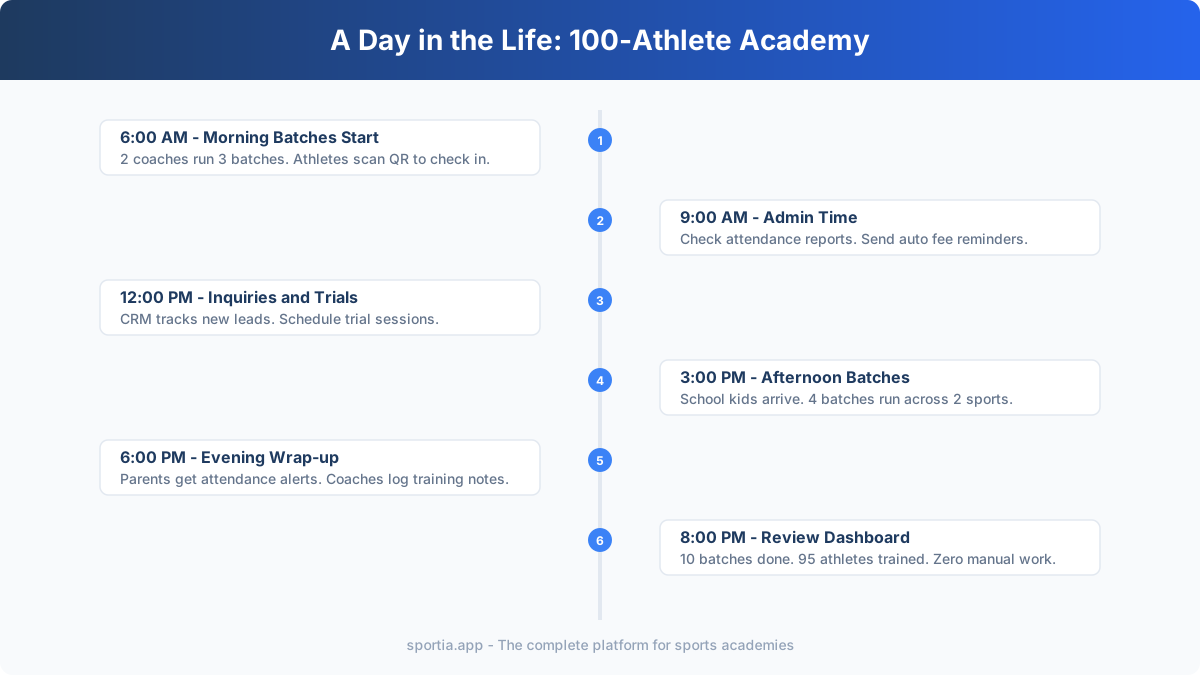
Here is what a 100-athlete academy runs like with good tools:
- Attendance: Athletes scan a QR code on arrival. Parents get an auto alert. You see who is present on a dashboard.
- Fees: Invoices go out on the first of each month. Reminders send on their own. You only handle edge cases.
- Communication: Parents check a portal for schedules, attendance, and fee status. No more "when is the next class?" texts.
- Enrollment: New leads land in a CRM. Trials get booked. Follow-ups happen on time.
- Coaching: Training plans live in a library. Coaches follow the plan. Athlete progress gets tracked over time.
Tools like Sportia are built for this. They bring attendance, invoicing, parent portals, CRM, and coaching tools into one platform. No need for five apps.
Step 6: Think About a Second Location
Once you hit 70-80 athletes at one spot, a second location makes sense. It can double your capacity without doubling your effort. But only if your first site runs on systems.
When You Are Ready
- Your first location runs well even when you are not there
- You have 2-3 coaches you trust
- Attendance, fees, and communication work without manual effort
- You have a waiting list or demand from another area
Start Light
Avoid signing a long-term lease right away. Start with a partnership instead. Many schools and apartment complexes rent their grounds for 2-3 hours daily at Rs 5,000-15,000 per month. This approach lets you validate demand in a new area without significant financial risk.
Running two locations gets complex fast. You need one system to track attendance, fees, and schedules across both. This is where academy management software moves from "nice to have" to "must have."
Step 7: Keep the Athletes You Already Have
Growing your academy is not only about acquiring new athletes. Retention matters just as much. A 10% improvement in retention delivers the same result as a 30% increase in new enrollments.
Track Attendance Patterns
An athlete who drops from 4 sessions a week to 2 will likely leave within a month. Watch the trends and reach out early. A simple text like "We missed Arjun this week, is all okay?" can stop a dropout.
Show Progress
Parents pay for results. If they cannot see their child getting better, they question the cost. Share updates often. Even a short note like "Priya's front foot drive has improved a lot" goes a long way.
Celebrate Milestones
Shout out attendance streaks, tournament picks, and personal bests. Post about them on social media (with parent consent). Athletes who feel valued stay longer.
Ask for Feedback
Run a short survey each quarter. Ask what works and what can improve. Act on the top 2-3 points. Parents who feel heard become your best fans.
What a 100-Athlete Academy Looks Like
A 100-athlete academy is not chaos. With the right setup, it runs smoother than a 30-athlete one without systems.
- Team: 3-4 coaches (including you), each running 2-3 batches daily
- Schedule: 8-10 batches per day across morning, afternoon, and evening
- Revenue: Rs 2-5 lakh per month (based on sport and pricing)
- Your role: Coach 2-3 batches, manage the team, handle key parents, and plan growth
- Admin time: Under 1 hour per day with the right software
- Marketing: Runs mostly on referrals, social media, and your reputation
The journey from 10 to 100 athletes is not about working harder. It is about building the right foundation and allowing your systems to carry the operational load. Start with one meaningful change today. Document your enrollment process. Implement digital attendance. Hire that first assistant coach. Every step forward brings you closer to the professional academy you are working to build.
Frequently Asked Questions
How long does it take to grow a sports academy from 10 to 100 athletes?
Most academies take between 12 and 24 months to reach this milestone. The timeline depends on your sport, location, pricing strategy, and how quickly you establish operational systems. Academies in metropolitan cities with active referral programs generally experience faster growth.
How many coaches do I need for 100 athletes?
Plan for 3-4 coaches. Cricket and swimming need lower ratios (1:6 and 1:4). Football can work with 1:10. Hire based on batch needs, not total athlete count.
What is a good monthly fee for a sports academy in India?
Fees range from Rs 1,500 to Rs 5,000. Metro city cricket and swimming academies charge Rs 3,000-5,000. Smaller cities charge Rs 1,500-2,500. See our fee structure guide for pricing templates.
Should I add a new sport or open a second location first?
Add a new sport first if you have the space. It costs less and moves faster. A second site makes sense only when your first is at 80%+ capacity and runs without you.
How do I stop athletes from dropping out of my academy?
Watch attendance patterns. An athlete who starts missing sessions may leave soon. Reach out within a week. Share progress with parents. Celebrate wins. Academies using digital attendance retain 20-30% more athletes.
What is the best way to get new students for a sports academy?
Referrals from happy parents work best and cost the least. Run monthly free trials. Partner with schools and RWAs. Post training clips on Instagram 3 times a week. A Google Business Profile with good reviews also brings steady leads.