
Training in the Indian Summer: Heat Safety Guide for Sports Academies
Every April, the same thing happens at outdoor sports academies across India. The sun gets brutal. Kids slow down. Coaches push through. And someone ends up dizzy, sick, or worse. Heat safety in sports training is not optional in India. It is a matter of life and health.
The IMD has warned of above-normal heat waves across India for April through June 2026. Many parts of north and central India will see 40-45C during the day. For outdoor sports academies, this means you must change how you train or risk putting your athletes in danger.
This guide covers how to shift your schedule, keep athletes hydrated, spot heat illness early, and handle emergencies. Every coach running outdoor sessions in the Indian summer needs to know this.
Why Indian Summers Are Dangerous for Outdoor Sports Training
India is not like most countries where sports heat guidelines were written. The heat here is more extreme, and it lasts longer. Here is what makes it risky:
- Extreme daytime heat: In April and May, cities across Rajasthan, Delhi, UP, MP, and Gujarat hit 42-46C. Even south Indian cities reach 38-40C. Training at midday is like putting athletes in an oven.
- High humidity in coastal areas: Mumbai, Chennai, Kolkata, and Kerala face 70-90% humidity. When it is humid, sweat does not dry. The body cannot cool itself. This makes heat illness more likely even at lower temps.
- Kids are more at risk: Children do not handle heat as well as adults. Their bodies heat up faster and cool down slower. They also forget to drink water unless you remind them.
- Night temps are rising too: The IMD says warm nights are expected across India in 2026. When nights stay hot, the body never fully recovers from the daytime heat.
Heat stroke kills people every summer in India. In sports, it is one of the top causes of sudden death in young athletes. It is also fully preventable if you follow basic safety steps.
Shift Your Training Schedule for Summer
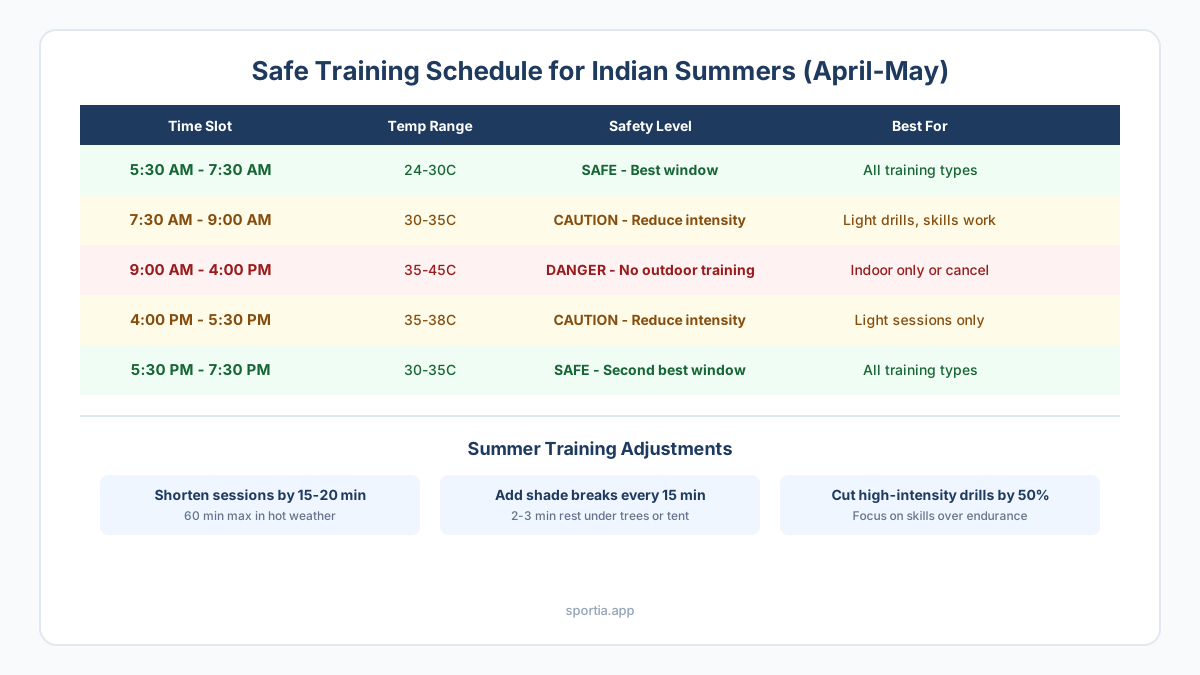
The single most important thing you can do is move training times. Do not train between 9 AM and 4 PM during peak summer. Period.
Best Training Windows
- Early morning (5:30-7:30 AM): This is your safest window. Temps are 24-30C. Air is fresh. Kids are alert. Plan your most intense sessions here.
- Late evening (5:30-7:30 PM): The second best slot. The sun is low, temps drop to 30-35C. Good for match practice and group drills.
What to Avoid
- Mid-morning to mid-afternoon (9 AM-4 PM): Temps peak at 38-45C. Direct sun exposure at this time is dangerous. No outdoor training of any kind during this window.
- Right after school (2-4 PM): Many academies run after-school batches. In summer, push these to 5:30 PM or later. The 2 PM slot that works in winter can cause heat illness in April.
Tell parents about the schedule shift early. Send a WhatsApp message or use your academy management tool to update session timings for all batches at once.
Hydration Rules Every Coach Must Follow
Most young athletes do not drink enough water. They wait until they feel thirsty. By that point, they are already partly dehydrated. In the Indian heat, this can turn dangerous fast.
Before Training
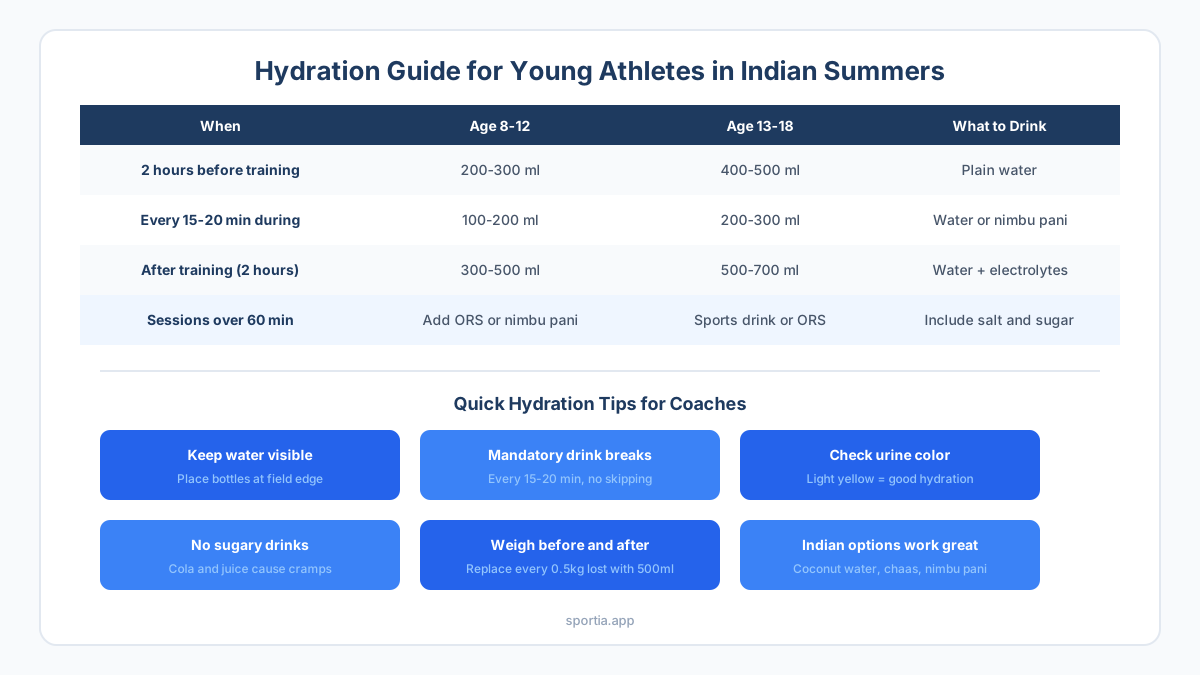
Athletes should drink 200-500 ml of water in the 2 hours before a session. Keep it simple. Plain water works. No cold drinks or fizzy sodas.
During Training
Stop every 15-20 minutes for a drink break. This is not a request. Make it a rule. Kids aged 8-12 need about 100-200 ml per break. Teens need 200-300 ml. Keep water bottles at the edge of the field where they are easy to grab.
After Training
Athletes should drink 300-700 ml within 2 hours after the session. Add a pinch of salt and sugar to the water, or use ORS sachets. This helps the body replace what it lost through sweat.
Best Drinks for Indian Summers
You do not need expensive sports drinks. These Indian options work great:
- Nimbu pani (lemon water): Lemon, salt, sugar, water. The classic. Cheap, effective, and kids love it.
- Coconut water: Natural source of electrolytes. Great for post-training recovery.
- Chaas (buttermilk): Cools the body and replaces salts. Common across India and easy to prepare in bulk.
- ORS packets: Available at any pharmacy for Rs 5-10. Mix with water for a proper rehydration drink.
Avoid cola, packaged juice, and energy drinks during training. The sugar causes cramps and slows hydration. For more on athlete nutrition, read our guide on the Indian athlete's vegetarian diet plan.
How to Spot Heat Illness Early
Every coach must know the signs of heat exhaustion and heat stroke. The difference between them can be the difference between a 10-minute rest and a hospital visit.
Heat Exhaustion (Warning Stage)
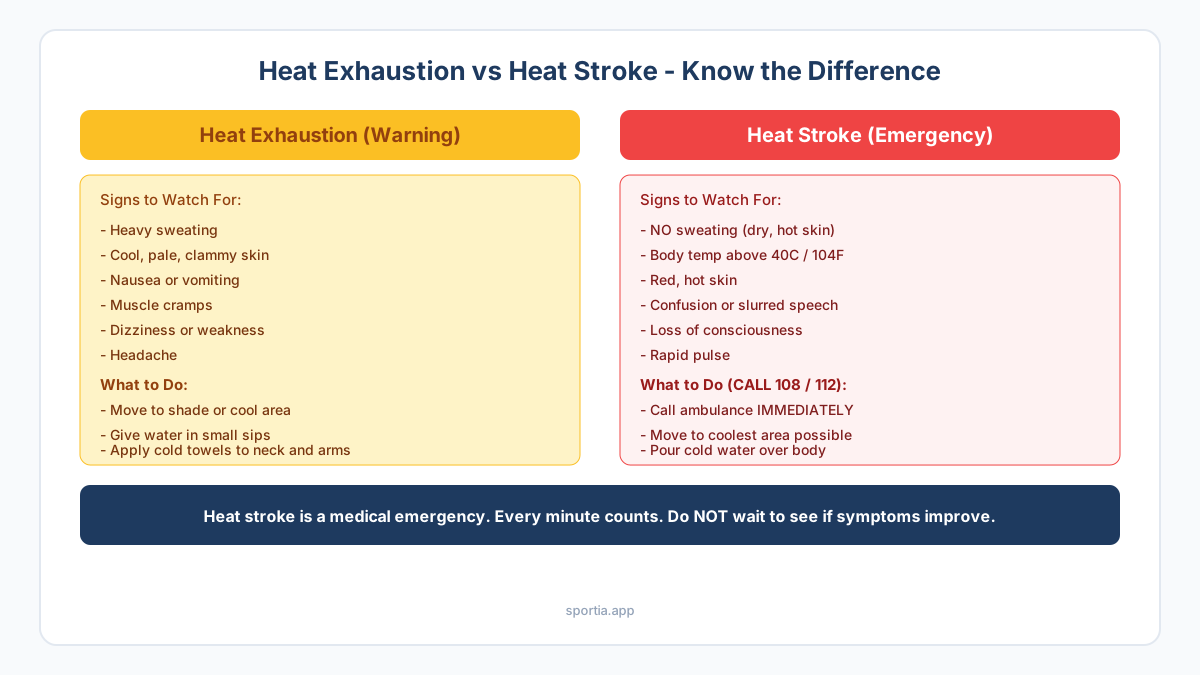
This is the body saying "slow down." Look for these signs:
- Heavy sweating
- Cool, pale, or clammy skin
- Nausea or vomiting
- Muscle cramps
- Dizziness or weakness
- Headache
What to do: Move the child to shade right away. Give small sips of water. Place cold wet towels on the neck, forehead, and arms. Rest for at least 30 minutes. Do not send them back to train that day.
Heat Stroke (Medical Emergency)
This is life-threatening. The body has lost the ability to cool itself. Watch for:
- NO sweating even though it is hot (dry, hot skin)
- Body temperature above 40C (104F)
- Red, hot skin
- Confusion or slurred speech
- Loss of consciousness
- Rapid pulse
What to do: Call 108 or 112 immediately. Do not wait. Move the person to the coolest spot you can find. Pour cold water over their body. Fan them. Keep cooling until help arrives. Every minute counts.
For more on handling sports injuries, read our guide on common sports injuries in children and first aid.
Modify Your Drills for Hot Weather
You cannot run the same training plan in April that you ran in January. Here is how to adjust:
- Cut session length: Reduce total time by 15-20 minutes. A 90-minute session should become 60-70 minutes in peak heat.
- Lower the intensity: Cut sprints and endurance drills by half. Focus on skill work, passing, and tactical exercises that do not push heart rates to the max.
- Add shade breaks: Every 15 minutes, move the group to shade for 2-3 minutes. Use this time for instruction or feedback while kids drink water.
- Shorter bursts: Instead of 20-minute continuous drills, use 5-minute blocks with rest in between.
- Light clothing: Make sure athletes wear light-colored, loose clothes. Dark jerseys absorb more heat. Skip bibs if possible and use colored bands instead.
- Wet towel station: Keep a bucket of cold water and towels at the side of the field. Kids can grab a wet towel for their neck during breaks.
Indoor Options When It Is Too Hot to Train Outside
Some days, it is simply too hot. When temps cross 42C or a heat wave warning is in effect, cancel outdoor training. Here are indoor options:
- Indoor sports halls: Book a slot at a school gym, community hall, or indoor court. Focus on fitness, footwork, and small-sided games.
- Video sessions: Use the time for match analysis. Show clips. Discuss tactics. This is training too, and athletes learn a lot from it.
- Fitness circuits: Body weight exercises, stretching, yoga, and core work can all happen in a shaded or indoor space.
- Theory classes: Teach rules, game awareness, nutrition, and mental skills. These sessions are valuable and fill the gap when outdoor play is not safe.
Use your academy management tool to notify parents about schedule changes. With Sportia, you can update session timings and send alerts to all parents in one go. No need to message each WhatsApp group separately.
Build a Heat Safety Checklist for Your Academy
Print this and keep it at your training ground:
- Check the weather forecast before every session
- Cancel outdoor training if temp exceeds 42C or heat wave is active
- Ensure water is available and visible at the field
- Enforce drink breaks every 15-20 minutes
- Have a first aid kit with ORS, cold packs, and towels
- Know the nearest hospital and emergency number (108/112)
- Keep emergency contacts for every athlete on your phone
- Watch for signs of heat exhaustion in every session
- Never punish athletes by making them run in the sun
- Send schedule change alerts to parents before sessions shift
Frequently Asked Questions
At what temperature should you cancel outdoor sports training?
Cancel outdoor training when the temperature crosses 42C or when a heat wave warning is in effect. Between 35-42C, reduce intensity and session length. Below 35C, you can train with normal hydration breaks.
How much water should a young athlete drink during summer training?
Kids aged 8-12 should drink 100-200 ml every 15-20 minutes during training. Teens need 200-300 ml per break. Before training, they should drink 200-500 ml in the 2 hours leading up to the session.
What is the difference between heat exhaustion and heat stroke?
Heat exhaustion causes heavy sweating, pale skin, nausea, and cramps. It is a warning sign. Heat stroke is more severe. The person stops sweating, skin turns hot and red, and confusion sets in. Heat stroke is a medical emergency. Call 108 immediately.
What are the best times to train outdoors in Indian summers?
The safest windows are early morning (5:30-7:30 AM) and late evening (5:30-7:30 PM). Avoid training between 9 AM and 4 PM during April, May, and June.
Can coconut water replace sports drinks for young athletes?
Yes. Coconut water is a natural source of electrolytes and works well for recovery. For training over 60 minutes, add ORS or nimbu pani with salt for better salt replacement. Expensive sports drinks are not needed.
How do you acclimatize athletes to summer heat?
Start with shorter, lighter sessions in early April and increase over 10-14 days. The body needs about 2 weeks of regular heat exposure to adjust. Do not jump into full-intensity training on the first hot day.