

Monsoon Health for Young Athletes: Preventing Common Illnesses and Injuries
The monsoon does not just stop play. It changes the kind of health risk your young athletes face. Summer was about heat and sun. The rains bring wet floors, mosquitoes, fungus, and a flu that spreads through a batch in days. If you coach in India, you need a different playbook from June to September. This guide gives you that playbook.
Most academy owners treat the monsoon as an attendance problem, when the real issue is health and safety. A single slip on a wet court can sideline an athlete for six weeks, and one dengue case in your batch can frighten parents into leaving. The good news is that simple, affordable steps prevent most of these problems. Let us walk through them together.
Why monsoon health risks differ from summer
In summer, the danger is clear. Heat, sun, and dehydration. You move sessions early, add water breaks, and watch for cramps. The monsoon hides its dangers better. The air feels cooler, so coaches relax. That is a mistake.
Wet ground raises the risk of slips, sprains, and torn knees. Standing water near your venue breeds mosquitoes within a week. Damp kit grows fungus. Crowded indoor spaces help cold and flu jump from child to child. None of these are obvious during a session. They show up later, as a sick child at home or a parent's worried message.
India carries a heavy share of these illnesses, accounting for roughly 34 percent of the world's dengue cases. Children under ten are the most vulnerable because their immune systems are still developing. Your academy sits directly in the path of this seasonal risk every monsoon.
Slips, sprains, and fungal infections on wet surfaces
A wet surface is the first thing to manage. Rain makes outdoor turf, clay, and concrete slick. It also leaves indoor floors damp near doors and windows. This is where most monsoon injuries happen.
The common injuries are ankle sprains, wrist injuries from falls, and knee strains. On grass and turf, footwear matters more than people realise. When a stud or sole locks into soft, wet ground, the foot stops but the body keeps rotating, and that twisting force travels up to the knee. This is how many non-contact knee injuries actually happen during the rainy season.
Here is what helps on wet days:
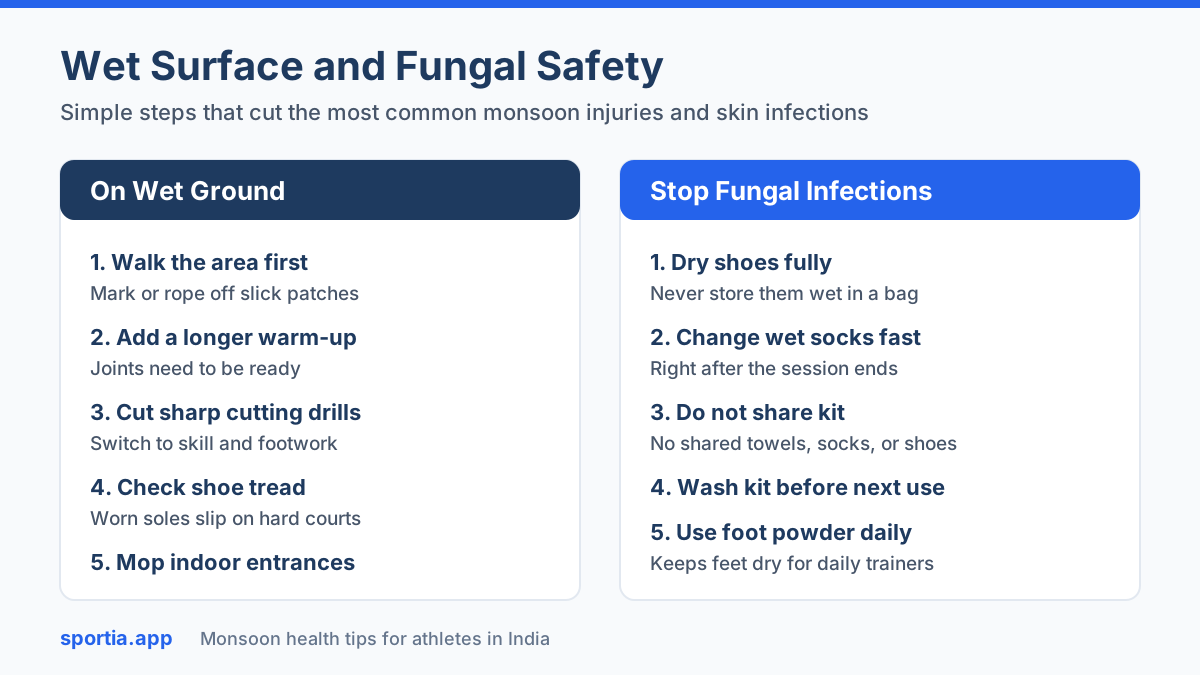
- Walk the playing area before each session and mark or rope off slick patches
- Keep a dry towel or mop near indoor entrances and wipe puddles often
- Add a longer warm-up so muscles and joints are ready for unstable footing
- Cut sharp cutting and sprinting drills when the ground is very wet
- Switch to skill work, footwork, and tactics on the worst days
Fungal infections are the quiet monsoon problem. Warm, damp conditions are perfect for athlete's foot and ringworm. These spread through shared mats, wet socks, and damp shoes. A child who trains in wet footwear day after day will likely pick one up.
Seasonal illness: cold, flu, dengue, and your response
The monsoon is peak season for spreading illness. Cold and flu move fast through a batch. Influenza is common during the rains. Children share water bottles, sit close, and touch the same equipment. One sick child can pass it to many.
Dengue and malaria are the bigger worry. Both spread through mosquitoes that breed in standing water. A bucket, a tyre, a clogged drain, or a flower pot near your venue is enough. The Aedes mosquito that carries dengue bites during the day. That is exactly when your sessions run.
Waterborne illness is the third risk. Floods and dirty water cause stomach infections. Almost 90 percent of waterborne illness during the monsoon hits children under ten. A child with vomiting and loose motions loses fluids fast and gets weak.
Your academy cannot treat illness. But it can respond well. Build a simple sick policy:
- Ask any child with fever, cough, or stomach upset to stay home and rest
- Tell parents that staying back when sick is the right call, not a problem
- Clear standing water around your venue every week to stop mosquitoes
- Stop the sharing of water bottles and ask each child to bring their own
- Keep hand sanitiser at the entrance and use it before and after sessions
Hydration myths: athletes still dehydrate in the monsoon
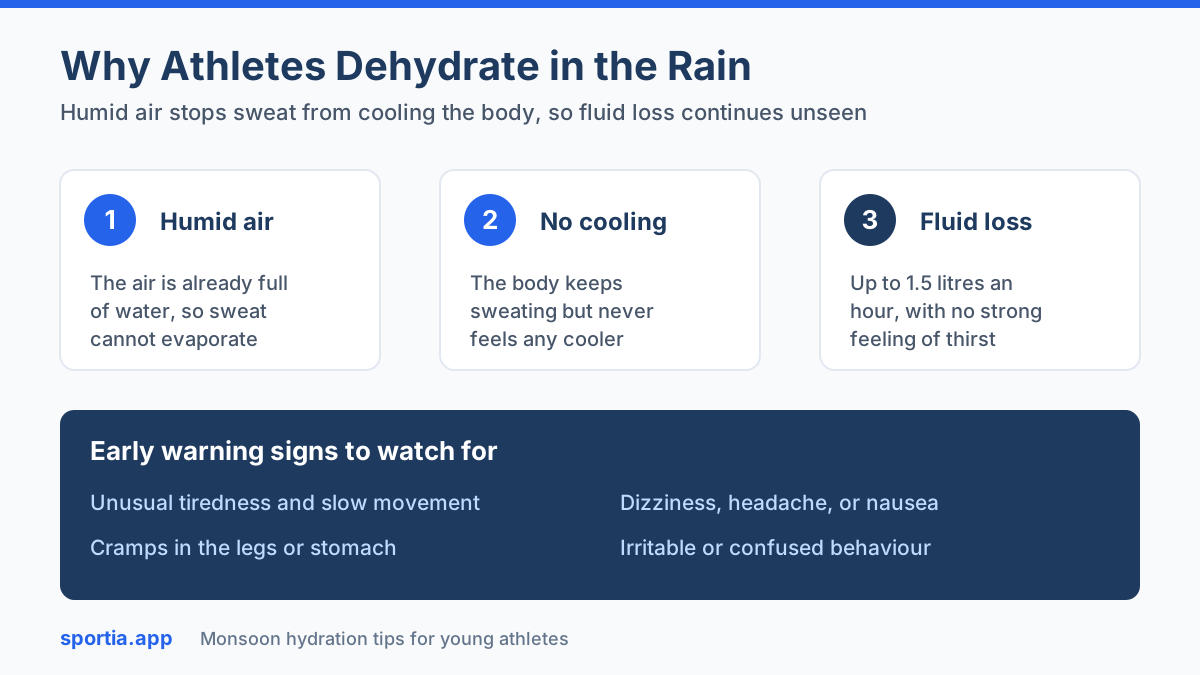
Many coaches drop their guard on water in the monsoon. The air is cooler and damp, so thirst feels lower. This is the most common hydration myth of the season. The truth is the opposite.
High humidity makes it harder for sweat to evaporate off the skin. Sweat cools the body only when it evaporates, so when the surrounding air is already saturated with water, that natural cooling fails. The body keeps sweating and losing fluid, yet the child never feels any cooler. During hard training in the heat, sweat loss can reach 1.5 litres an hour, which means a child can dehydrate without ever feeling very thirsty.
Watch for these early signs in a humid session:
- Tiredness and slow movement that is unusual for the child
- Dizziness, headache, or nausea
- Cramps in the legs or stomach
- Irritable or confused behaviour
Keep the same water breaks you use in summer. Encourage small, regular sips. For long or hard sessions, a simple oral rehydration solution helps replace lost salts. Do not wait for a child to ask for water. Build the breaks into the session plan.
Footwear, grip, and kit hygiene in the rain
Gear is your cheapest safety tool in the monsoon. The right footwear cuts slips and the wrong kit habits cause infections. Both are easy to fix.
For grip, match the footwear to the surface. Soft, very wet turf needs studs that grip but still let the foot turn. On hard, wet courts, a worn sole is a slip waiting to happen. Check that each child's shoes have tread left. Ask parents to send a second pair of socks for long sessions.
Kit hygiene stops fungal infections cold. The rule is simple: nothing stays wet for long. Share these habits with parents:
- Dry shoes fully after each session, never store them wet in a bag
- Change out of wet socks and clothes as soon as the session ends
- Do not share towels, socks, or shoes between children
- Wash and dry kit before the next session
- Use foot powder to keep feet dry if a child trains daily
For a deeper look at protecting young players, see your guide on common sports injuries in children and first aid . It pairs well with this monsoon checklist.
When to cancel, move indoors, or train through light rain
Coaches often ask one question in the monsoon: do we play today? A clear rule removes the guesswork and keeps parents calm. Set your thresholds before the season starts.
Light drizzle on safe ground is usually fine for most sports. Steady rain that makes the surface slick is a sign to move indoors or change the drill. Heavy rain, thunder, or lightning means stop at once. Lightning is a real danger and is never worth the risk.
Use this simple guide:
| Condition | Action |
|---|---|
| Light drizzle, firm ground | Train as normal, watch footing |
| Steady rain, slick surface | Move indoors or switch to skill work |
| Heavy rain or waterlogging | Cancel the session |
| Thunder or lightning | Stop and take cover at once |
If your venue floods often, plan an indoor backup. A hall, a covered area, or a partner school space keeps sessions going. May's guide on building a monsoon-proof sports academy covers the operations side in detail.
A simple monsoon first-aid and sick-policy checklist
Every coach should carry a basic monsoon kit and follow a set plan. This is not complex. It just needs to be ready before the rains, not during them.
Stock your first-aid box with these items:
- Antiseptic, clean dressings, and crepe bandages for sprains
- An instant cold pack for swelling
- Oral rehydration salts for dehydration
- Hand sanitiser and antifungal foot powder
- A list of parent contacts and a nearby clinic number
For your sick policy, write down three things and share them with parents. First, when a child should stay home. Second, what your academy does about wet weather. Third, who to call if a child feels unwell during a session. A short, written policy builds trust and avoids confusion.
Keeping attendance and communication steady through the rain
Rain disrupts attendance. Sessions get cancelled, moved, or cut short. Parents grow unsure about what is happening. This confusion, not the rain itself, is what makes families drift away during the monsoon.
Clear communication fixes most of this. Tell parents early when a session is cancelled or moved. Keep a record of who attended so you can spot a child who keeps missing. A child who skips three sessions in a row may be ill or losing interest. Either way, you want to know.
This is where good records help. With a steady system for safety and attendance , you can track who trained, who missed, and why. Sportia lets you mark attendance through QR check-in, send updates to parents in one tap, and note wellness flags against an athlete. When a session moves due to rain, one message reaches every parent. You spend less time on WhatsApp and more time coaching.
Steady communication also protects your reputation. Parents remember the academy that kept them informed through a hard season. That trust turns into renewals when the rains pass.
Frequently Asked Questions
Is it safe for children to train in the rain?
Light drizzle on firm ground is usually safe with a longer warm-up and careful footing. Steady rain that makes surfaces slick calls for indoor drills or skill work. Stop all training at once if there is thunder or lightning, as this is a serious danger.
Do athletes need less water during the monsoon?
No, athletes still need full hydration in the monsoon. High humidity stops sweat from drying, so the body keeps losing fluid without feeling cooler. Keep the same water breaks you use in summer and watch for tiredness, dizziness, or cramps.
How can academies prevent fungal infections in the rainy season?
Keep all kit dry and never let shoes or socks stay wet in a bag. Stop children from sharing towels, socks, or footwear, as this spreads athlete's foot and ringworm. Foot powder and a change of dry socks help children who train daily.
What illnesses are most common for young athletes in the monsoon?
Cold, flu, and stomach infections spread fast through a batch during the rains. Dengue and malaria are the bigger worry, since mosquitoes breed in standing water near venues. Clear standing water weekly and ask any child with fever to rest at home.
Should I cancel sessions every time it rains?
No, you do not need to cancel for every shower. Set clear rules in advance: train through light drizzle, move indoors during steady rain, and cancel only for waterlogging, heavy rain, or lightning. An indoor backup venue keeps your sessions and income steady.
How do academies keep attendance steady during the monsoon?
Tell parents early when a session moves or stops, so no one is left guessing. Track attendance to spot children who keep missing, as they may be ill or losing interest. A simple digital system sends one update to all parents and keeps your records clean.