

Yoga for Young Athletes: Flexibility, Focus, and Injury Prevention
International Yoga Day just passed on June 21, and millions across India rolled out their mats. Your academy may have joined in too. But here is the real opportunity: yoga is not a one-day event. For young athletes, it is one of the cheapest and safest ways to build flexibility, sharpen focus, and prevent injuries all year round.
This guide shows you how to bring yoga into your academy the right way. You will get sport-specific benefits, 8 beginner-safe poses with clear cautions, a 15-minute pre-training mobility flow, a 10-minute recovery routine, and breathing drills for big-match nerves. Most of it needs nothing more than a clean floor and a few mats.
Why Yoga Belongs in Every Academy, Not Just on Yoga Day
Yoga for athletes works because it fills the gaps that drills leave behind. Sprints, shots, and matches build power. They do not build the mobility, balance, and calm that protect a growing body. Yoga does.
For young athletes, the case is even stronger because their bodies are still developing. During a growth spurt, bones, joints, and muscles lengthen at different rates, which makes athletes prone to tight hips, weak stabilizers, and overuse injuries. A short, regular yoga habit builds body awareness early, teaching a 12-year-old to recognize a tight hamstring before it tears.
Here is the part most coaches miss. You do not need a daily one-hour class. Research suggests even 10 minutes a day, or one focused session a week, improves how an athlete moves. That fits inside any academy schedule. You can run it as a warm-up, a cool-down, or a rainy-day session when the monsoon keeps you indoors.
The goal is not to turn cricketers into yogis. The goal is to give young athletes one extra tool that builds flexibility, focus, and recovery at almost zero cost.
The Three Benefits That Matter Most for Athletes
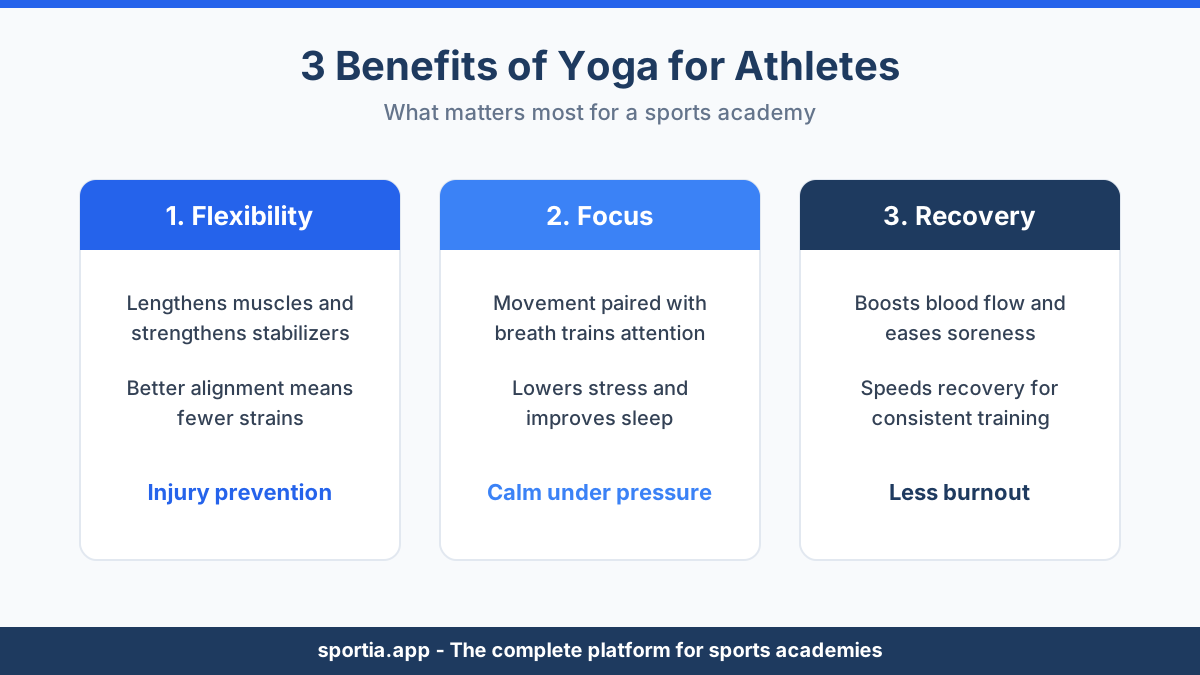
Yoga does many things. For a sports academy, three benefits carry the most weight. Focus your sessions on these, and you will see results parents notice.
1. Flexibility and Injury Prevention
Tight muscles pull on joints, and over a season that leads to strains and overuse injuries. Yoga lengthens the major muscle groups while strengthening the small stabilizing muscles around each joint, which improves alignment and lowers injury risk. For young athletes who train hard, this is the single biggest payoff.
2. Focus and Mental Calm
Yoga pairs movement with breath, and that combination trains attention. An athlete who can hold a balance pose for 30 seconds learns to stay present under pressure. The breathing side lowers stress hormones and improves sleep, which helps young athletes who juggle demanding training with board exams and school.
3. Recovery
Gentle yoga after training boosts blood flow, eases muscle soreness, and speeds recovery. A 10-minute cool-down flow helps the body shift out of high-alert mode and into rest. Athletes who recover faster train more consistently and stay fresher across a long, demanding season.
Sport-Specific Gains: Where Yoga Helps Each Athlete
Yoga is not one-size-fits-all. Different sports stress different parts of the body. When you tailor poses to the sport, athletes buy in faster because the benefit is obvious. Here is how it maps to common Indian academy sports.
- Cricket: Fast bowlers and throwers load the shoulders and lower back hard. Poses that open the chest and mobilize the thoracic spine protect the shoulder. Hip openers help batters rotate freely.
- Football: Footballers live in their hips and hamstrings. Tight hip flexors are a top cause of groin and knee trouble. Hip-opening poses and hamstring stretches keep the kicking motion clean and safe.
- Swimming: Swimmers need shoulder mobility and a strong, flexible spine. Gentle backbends and shoulder stretches support a long, efficient stroke and ease the rounded-shoulder posture swimmers develop.
- Badminton and tennis: Racket sports load one side of the body more than the other. Twists and side stretches restore balance and protect the lower back from constant rotation.
- Kabaddi and athletics: Explosive sports demand strong, mobile hips and ankles. Standing poses build the balance and ankle stability that prevent rolled ankles on landing.
Tell your athletes why a pose matters for their sport. A young footballer holds a hip opener longer when they know it protects their groin from the next sprint.
8 Beginner-Safe Yoga Poses for Young Athletes (With Cautions)
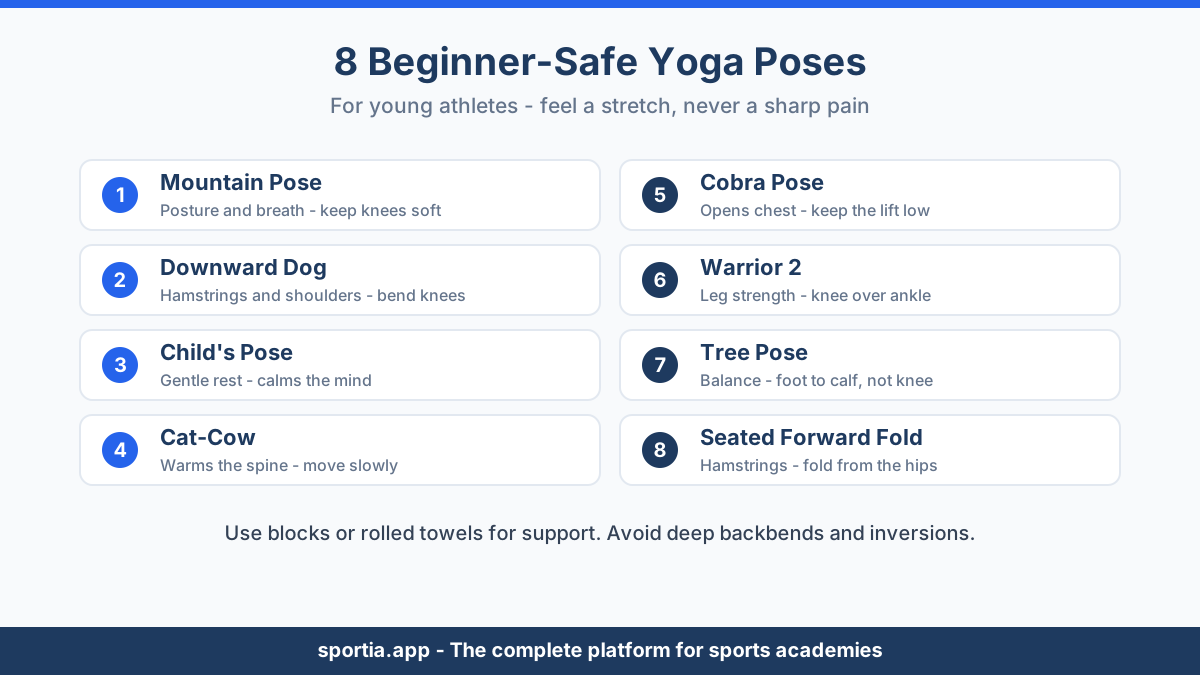
These eight poses are safe for most young athletes when taught with care. Start slow. Never force a stretch. The rule is simple: an athlete should feel a stretch, never a sharp pain. Use blocks or rolled towels under hands or hips when needed.
1. Mountain Pose (Tadasana)
Stand tall, feet together, arms at the sides, weight even. It teaches posture and breath. Caution: Keep knees soft, not locked. A locked knee strains the joint.
2. Downward Dog (Adho Mukha Svanasana)
From hands and knees, lift the hips into an inverted V. It stretches hamstrings, calves, and shoulders. Caution: Let beginners bend the knees. Forcing straight legs rounds the back and strains young spines.
3. Child's Pose (Balasana)
Kneel, sit back on the heels, fold forward, arms ahead. It is a gentle rest pose that calms the mind and stretches the back. Caution: Place a folded towel under the hips if the seat does not reach the heels. Avoid if there is a knee injury.
4. Cat-Cow (Marjaryasana-Bitilasana)
On hands and knees, arch and round the spine with the breath. It warms up the whole spine. Caution: Move slowly. Keep the motion small and pain-free. No sudden jerks.
5. Cobra Pose (Bhujangasana)
Lie face down, hands under shoulders, lift the chest gently. It opens the chest and strengthens the back, great for swimmers and bowlers. Caution: Keep the lift low. A deep backbend can pinch a growing lower back. Press through the hands, not the spine.
6. Warrior 2 (Virabhadrasana 2)
A wide stance, front knee bent, arms reaching out. It builds leg strength, hip mobility, and focus. Caution: The front knee must stay over the ankle, never past the toes. Watch this closely with each athlete.
7. Tree Pose (Vrikshasana)
Stand on one leg, the other foot to the inner calf or thigh, hands at the chest. It builds balance and ankle stability. Caution: Never place the foot on the side of the knee. Use the calf or thigh only. Stand near a wall at first.
8. Seated Forward Fold (Paschimottanasana)
Sit with legs straight, fold forward from the hips. It stretches the hamstrings and lower back. Caution: Bend the knees if needed and fold from the hips, not the spine. Do not yank toward the toes. Reaching the shins is fine.
Want a fuller injury-prevention plan around these poses? See our guide on common sports injuries in children and how to prevent them .
A 15-Minute Pre-Training Mobility Flow
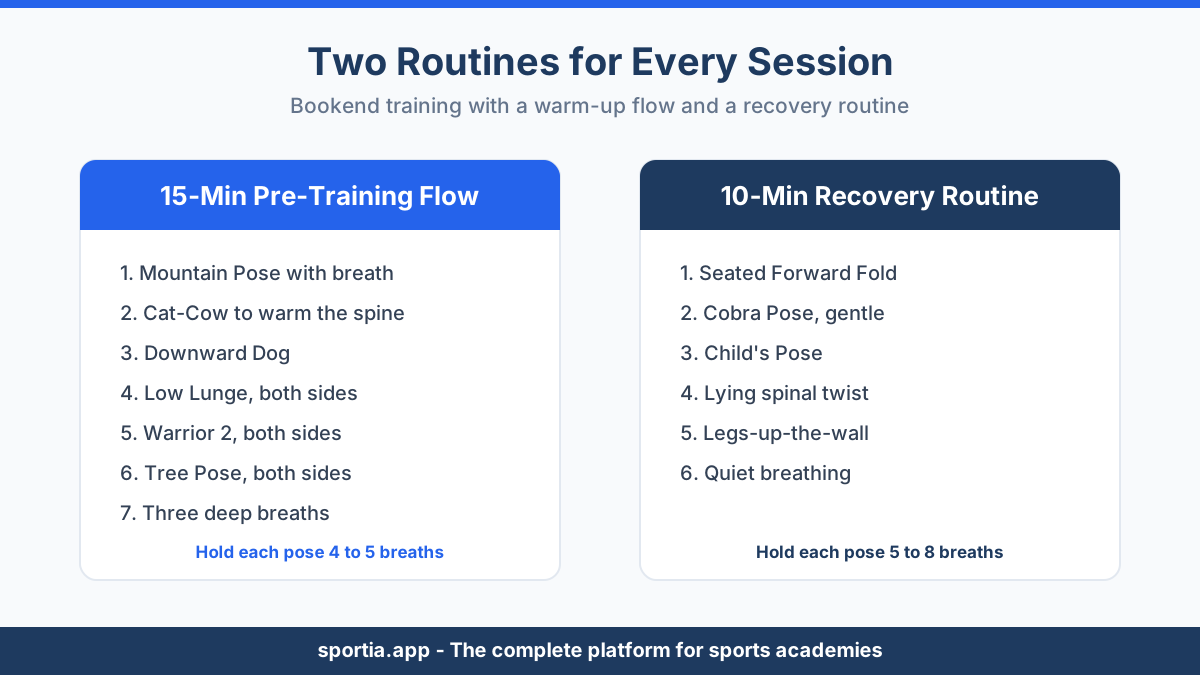
Use this flow before practice to wake up the body and reduce injury risk. It moves through the main joints in order. Each athlete holds each pose for 4 to 5 slow breaths, then moves on. Keep it light. This is preparation, not a deep stretch session.
- Mountain Pose with breath (2 min): Stand tall, breathe deep, set focus for the session.
- Cat-Cow (2 min): Warm the spine with slow, breath-linked movement.
- Downward Dog (2 min): Wake up hamstrings, calves, and shoulders. Pedal the feet.
- Low Lunge, both sides (3 min): Open the hip flexors. Vital for footballers and runners.
- Warrior 2, both sides (3 min): Build leg strength and hip mobility. Hold and breathe.
- Tree Pose, both sides (2 min): Switch on balance and ankle stability before drills.
- Three deep breaths (1 min): Settle, then move into the session.
This 15-minute flow replaces a dull static stretch warm-up with something that builds mobility and focus at the same time. It pairs well with your speed work. See how it fits alongside speed and agility training for young athletes .
A 10-Minute Post-Training Recovery and Breathing Routine
After hard training, the body stays in high gear. This cool-down flow brings it down, eases soreness, and starts recovery. Hold each pose longer here, 5 to 8 slow breaths. The mood is calm and quiet.
- Seated Forward Fold (2 min): Release tight hamstrings after running and jumping.
- Cobra Pose, gentle (1 min): Counter the forward-folded posture of most sports.
- Child's Pose (2 min): Rest the back and calm the breath.
- Lying spinal twist, both sides (2 min): Ease the lower back and aid digestion before a meal.
- Legs-up-the-wall (2 min): Lie down, rest the legs up a wall. It drains tired legs and speeds recovery.
- Quiet breathing (1 min): Lie still, breathe slow, let the heart rate drop.
Recovery is not a luxury for young athletes. It is how they avoid burnout. If your athletes train most days, read our guide on the signs of overtraining in young athletes and how to prevent it .
Breathing and Focus Drills for Pre-Competition Nerves
Match-day nerves are normal, but a racing heart and shallow breath make young athletes tight and slow. Simple yoga breathing fixes this quickly, using the same technique that elite athletes and special forces rely on to stay calm under pressure.
Teach your athletes box breathing. It is easy to remember and works in minutes:
- Breathe in through the nose for 4 counts.
- Hold the breath for 4 counts.
- Breathe out through the nose for 4 counts.
- Hold empty for 4 counts.
- Repeat 4 to 6 times.
This slows the breath and switches on the body's calm response. Heart rate drops. Focus sharpens. Have athletes do a few rounds before they walk onto the court or pitch. It is not about feeling sleepy. It is about feeling ready.
For younger kids, keep it playful. Call it "square breathing" and have them trace a square in the air with a finger as they breathe. The image makes it stick.
Safety First: What to Avoid With Growing Bodies
Young athletes are not small adults. Their joints and growth plates are still forming. Yoga is safe and helpful when taught with care, but a few rules matter. Get these wrong and you risk doing harm.
- No deep backbends or extreme poses. Skip headstands, full wheel, and deep splits for beginners. These stress growing spines and joints.
- Never force a stretch. Athletes are competitive by nature. They will push too far. Tell them a stretch should feel like a gentle pull, never a sharp pain.
- Use props. Blocks, straps, and rolled towels let young bodies reach a pose safely without overreaching.
- Watch alignment closely. A knee past the toes or a foot on the side of the knee can cause injury. Correct it every time.
- Keep it non-competitive. Yoga is not a contest. Remind athletes to focus on their own body, not the person next to them.
- Get a trained instructor for regular classes. A coach can lead a simple warm-up flow. But for a full yoga program, bring in a certified yoga instructor. Many Indian cities have qualified teachers, and rates for a weekly academy session are often affordable.
A simple test: if an athlete cannot breathe smoothly in a pose, they have gone too far. Back off until the breath flows again.
Making Yoga a Habit in Your Academy
The hard part is not the poses, it is consistency. A one-off Yoga Day session feels good but changes nothing on its own. The real benefits come from a regular, light habit built into your weekly schedule.
Start small. Add the 15-minute mobility flow as a warm-up twice a week. Use the recovery routine after your hardest session. On a rained-out monsoon day, run a full 30-minute indoor yoga class instead of cancelling training. Over a term, this adds up to real gains in flexibility and fewer injuries.
Tracking helps it stick. When you log wellness, flexibility, and recovery alongside skills and attendance, you see which athletes are tightening up or fatiguing. With Sportia , you can record wellness and recovery notes in each athlete's training log. That turns a vague "we do some yoga" into a clear record you can show parents and adjust over time.
Parents value an academy that cares about the whole athlete, not just wins. A yoga habit signals that you take safety, recovery, and long-term development seriously. That builds the trust that keeps families enrolled season after season.
Frequently Asked Questions
Is yoga safe for young athletes?
Yes, yoga is safe for young athletes when taught with care. Stick to beginner-safe poses, avoid deep backbends and inversions, and never force a stretch. For a regular program, bring in a certified yoga instructor to guide growing bodies safely.
How often should young athletes do yoga?
Two to three short sessions a week is ideal. Even 10 minutes a day or one focused session a week improves flexibility and movement. You can add a 15-minute mobility flow as a warm-up and a recovery routine after hard training.
What are the best yoga poses for athletes?
Good starter poses include Downward Dog, Warrior 2, Tree Pose, Cobra, Child's Pose, and Seated Forward Fold. These build flexibility, balance, and strength while staying safe for young, growing bodies. Always teach proper alignment first.
Can yoga help prevent sports injuries?
Yes. Yoga lengthens tight muscles and strengthens the small stabilizing muscles around joints. This improves alignment and body awareness, which lowers the risk of strains and overuse injuries. It is one of the cheapest injury-prevention tools an academy can use.
Does yoga improve athletic performance?
Yoga supports performance by improving flexibility, balance, focus, and recovery. Better mobility means cleaner movement, and breathing drills help athletes stay calm under pressure. It works best as a supplement to sport-specific training, not a replacement for it.
Should academies hire a yoga instructor or can coaches lead it?
A coach can lead a simple warm-up or cool-down flow using basic poses. For a full, regular yoga program, hiring a certified instructor is safer for young athletes. A weekly academy session from a local teacher is often affordable in most Indian cities.